
Let’s Talk: Cold Weather Warm-Ups and Joint Stiffness


As morning temperatures drop across the valley, you might notice your joints feel stiffer and take twice as long to get moving. Dropping temperatures reduce blood flow to your muscles and thicken the synovial fluid that lubricates your joints, making early movement feel rigid and heavy.
Most people either skip their warm up entirely or sit on the ground doing static stretches. Static stretching on cold muscles does not increase joint lubrication or raise your tissue temperature. Here is how to warm up effectively as the weather cools down and how physical therapy and personal training protect your joints through season shifts.
The 5 Minute Dynamic Warm Up
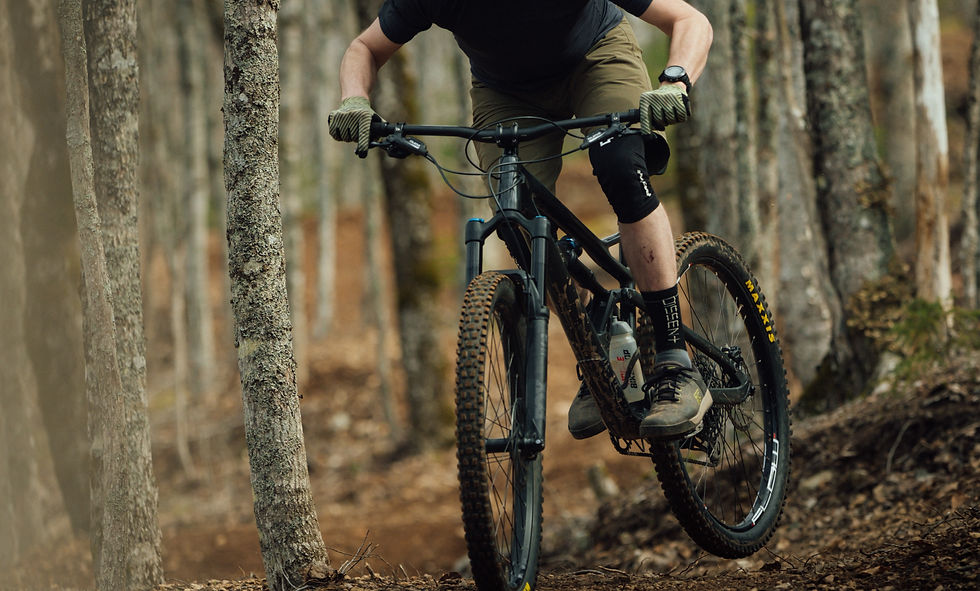
Before heading out on the trail or lifting in the gym, replace static stretching with movement that actively drives blood flow to your connective tissue and increases joint range of motion.
1. Controlled Articular Rotations (30 Seconds per Joint)
Stand tall and make slow, controlled circles with your ankles, knees, and hips. Moving your joints through their full range of motion warms up the joint capsule and stimulates synovial fluid production to smooth out joint friction.
2. Multi Directional Lunge Matrix (1 Minute)
Perform 5 slow forward lunges, 5 lateral lunges, and 5 reverse lunges on each leg. This activates your quads, glutes, and inner thighs while preparing your hips for multi directional movement on cold terrain.
3. Bodyweight Squat to Overhead Reach (1 Minute)
Squat down as deep as comfortably possible, press through your heels to stand, and reach both arms straight overhead while extending your spine. This simple pattern primes your lower body, core, and mid back all at once.
How Physical Therapy and Personal Training Fix Cold Weather Stiffness
Hands on manual therapy uses targeted joint mobilizations and tissue release to restore full movement, making your dynamic warm ups significantly more effective.
Progressive strength training conditions your tendons, ligaments, and connective tissues to absorb high loads safely in cold, stiff conditions.
Custom training programs embed multi planar movements into every session, priming your nervous system and muscle tissue for sport specific demands.


Comments